Allegations Rock Twelve Tribes: Inside the Yellow Deli Group
The quaint charm of the Yellow Deli restaurants, with their rustic decor, wholesome food, and friendly staff, offers a seemingly idyllic picture to the unsuspecting patron. Yet, beneath this inviting facade lies a complex and often troubling narrative tied to its parent organization: the Twelve Tribes. This controversial religious group, which operates the global chain of eateries, has been the subject of escalating scrutiny, with serious allegations ranging from child exploitation to more sinister claims. As public interest surges, fueled by recent media investigations and the anticipation of new documentary projects, many are seeking to understand the true nature of the Twelve Tribes and the controversies that envelop them.
The Yellow Deli: A Gateway to Controversy
Founded in Chattanooga, Tennessee, in 1972 by former carnival barker and high school guidance counselor Gene Spriggs, the Twelve Tribes initially presented itself as a movement seeking to restore what its members believed to be the truest form of Christianity. Over decades, the organization expanded significantly, accumulating more than 3,000 followers who live and work in communal societies across the United States and internationally. The Yellow Deli, along with other businesses like Common Ground Cafe and Peacetown, serves not only as a source of income but also as a public face and, for many, an introduction to the group.
These eateries are known for their distinctive ambiance and fresh, homemade fare. For patrons enjoying a sandwich or a cup of chai, the connection to a religious group might be subtle or entirely unknown. However, for those looking closer, the uniform appearance of the staff, their communal living arrangements, and the underlying spiritual philosophy become clearer. The restaurants often feature literature or artwork that subtly promotes the group's beliefs, weaving together an experience that is both commercial and ideological. This dual nature—an inviting public business versus a private, insular community—forms the core of the ongoing public debate and allegations.
Unveiling the Allegations: A Deep Dive into the Twelve Tribes' Practices
For all its outward appeal, the Twelve Tribes has been consistently plagued by a litany of severe allegations that paint a starkly different picture from their self-professed commitment to "love and care." Investigative reports and testimonies from former members have brought forth claims of
child exploitation, medical negligence, racism, sexual abuse, kidnapping, and even murder. These are not isolated incidents but rather a pattern of alleged behaviors that suggest a deeply problematic undercurrent within the group's communal structure.
Critics and former adherents describe a system of strict control, isolation from external influences, and an emphasis on corporal punishment for children. Stories from those who have left the group often detail psychological manipulation and the erosion of individual autonomy. The allegations of child exploitation are particularly distressing, suggesting that children within the communities may be subjected to labor practices inconsistent with child welfare standards, or worse. Medical negligence claims point to instances where members' health issues were allegedly mishandled or ignored in favor of spiritual remedies, with tragic consequences.
The Twelve Tribes, for its part, has addressed these criticisms by stating: "When people live closely together as in a marriage or family, sometimes they do not treat each other as they should. Our Master apparently knew such things would happen among his disciples, because He commanded them to repeatedly forgive one another." They further suggest that "exaggerated accounts of some of our failures to love and care have come to the attention of the press," attributing such stories to "unforgiven ones" who "find it hard to resist speaking ill of the unforgiven ones." This defensive stance, while attempting to frame criticism as personal grudges, often fails to adequately address the gravity and consistency of the allegations from diverse sources, including law enforcement and journalistic investigations.
The passing of founder Gene Spriggs in 2021 has added another layer of complexity, leaving the movement without its original formal leader and facing an uncertain future amid these ongoing controversies and investigations.
Documenting the Truth: What's Known About the "Yellow Deli Documentary HBO" Buzz
The public's intense interest in the Twelve Tribes and the Yellow Deli has naturally led to widespread discussion and a desire for in-depth media coverage, prompting many to search for a "Yellow Deli Documentary HBO." It's important to clarify the current landscape of documentary projects related to the group.
While there is no specific "Yellow Deli Documentary HBO" confirmed as an HBO or HBO Max original production *by that title*, there are significant documentary efforts underway and available that delve into the Twelve Tribes:
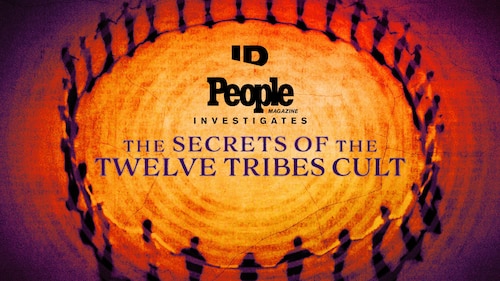
1. **"People Magazine Investigates: The Secrets of the Twelve Tribes Cult"**: This documentary has already aired on Investigation Discovery and is available to stream. For those keen on understanding the group's controversies, this is a readily accessible resource. It explores the dark underbelly of the organization, featuring interviews and insights into the allegations. This is often what people are referring to when looking for a streamable documentary about the group. You can learn more about streaming options here:
Twelve Tribes Cult Secrets Exposed: Stream New Doc on Max.
2. **A Docuseries in Development**: A separate, major docuseries project is currently in the works. ITV America’s Good Caper Content has teamed up with journalist Nile Cappello—known for her executive producer role on HBO Max’s docuseries *The Way Down*—and journalist Shelton Brown. Brown's journey began as a local investigation into the Yellow Deli in his hometown of Chattanooga, Tennessee, which evolved into an obsession to expose what he believes is a powerful and insidious cult. His years of research have uncovered extensive allegations, mirroring the points mentioned above. This project is set to be taken to buyers soon, meaning it is still in the development and pitching phase, and its eventual platform (whether HBO, HBO Max, or another network/streamer) is yet to be determined. Nile Cappello's previous work on an HBO Max project might contribute to the "HBO" buzz, but it doesn't confirm this new docuseries for the platform. For more details on this developing project, you can read:
Yellow Deli Docuseries Investigates Controversial Twelve Tribes.
Therefore, while the direct "Yellow Deli Documentary HBO" might not be an accurate title for a confirmed HBO-produced work, the public's interest is being addressed through these other significant projects that aim to shed light on the Twelve Tribes and their associated businesses.
The Enduring Questions and Future of the Twelve Tribes
The challenges facing the Twelve Tribes are multifaceted and escalating. With the passing of Gene Spriggs, the group is navigating a new era without its charismatic founder, raising questions about leadership succession, doctrinal interpretation, and organizational cohesion. The ongoing public scrutiny, amplified by documentaries and journalistic endeavors, makes it increasingly difficult for the group to maintain its insular nature and control its narrative. Investigations into Twelve Tribes properties, as hinted in the reference context, signal continued legal and social pressures.
For individuals who may have loved ones involved with the Twelve Tribes or similar high-demand groups, understanding the dynamics at play is crucial. It's often advised to prioritize safety, gather information from credible, independent sources, and seek professional guidance from exit counselors or cult intervention specialists. Maintaining open, non-judgmental communication can be vital, but always with personal safety and well-being as the foremost concern. The persistence of these groups underscores the human need for belonging and purpose, but also highlights the critical importance of discernment and critical thinking when evaluating communal living arrangements or religious organizations.
The story of the Yellow Deli and the Twelve Tribes is a compelling case study of how a seemingly benign public face can conceal deeply controversial practices. As new documentaries continue to emerge and investigations unfold, the truth behind these allegations becomes increasingly important, demanding transparency and accountability from the group and fostering greater awareness among the public.